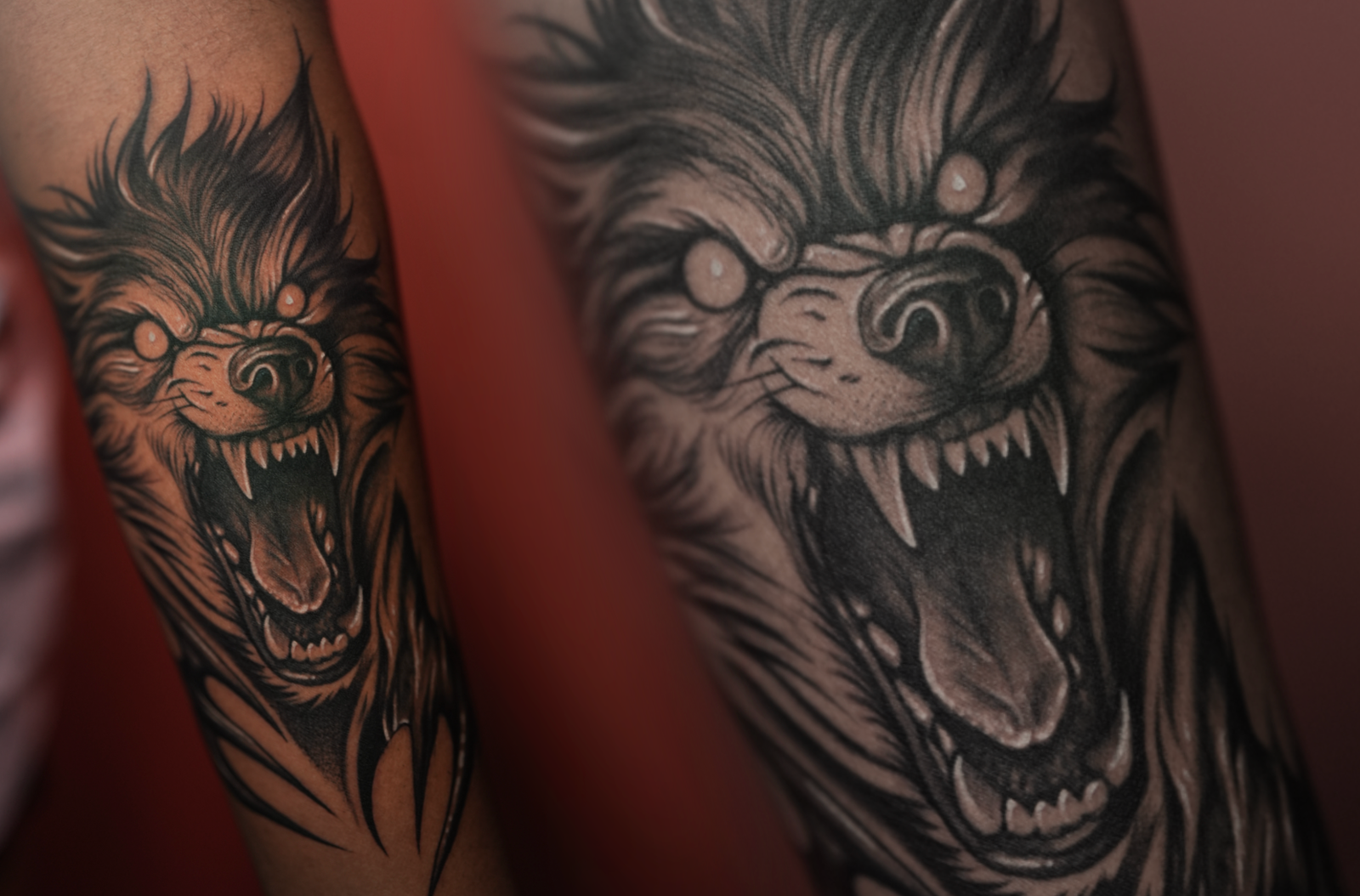
Getting a tattoo is only the first step. Proper aftercare plays a crucial role in how your tattoo looks once it heals. Without the right care, tattoos may fade, lose detail, or even become infected.
Following simple aftercare practices helps protect the design and ensures healthy skin recovery.
Why Tattoo Aftercare Matters
Tattooing creates thousands of tiny punctures in the skin. This makes the tattoo essentially an open wound during the first few days.
Proper care prevents bacteria from entering the skin and supports the natural healing process.
Taking aftercare seriously also helps preserve the clarity, detail, and overall appearance of your tattoo as it heals.
For more guidance, explore the complete tattoo aftercare guide from Portal Tattoo.
Immediate Aftercare
Your tattoo artist will usually cover the tattoo with a bandage or protective film after the session. This protects the area from dirt and bacteria.
The bandage should remain on for the amount of time recommended by your artist.
Once removed, gently wash the tattoo with lukewarm water and mild soap.
Avoid rubbing or scrubbing the area, as freshly tattooed skin needs to be treated gently during the early stages of healing.
Cleaning Your Tattoo
Keeping your tattoo clean is essential during healing.
Wash the tattoo gently two or three times a day. Avoid using harsh soaps or scrubbing the skin.
After washing, pat the area dry with a clean towel. Do not rub the tattoo.
Keeping the tattoo clean helps support healthy healing and reduces the chance of irritation or infection.
Moisturizing the Tattoo
Applying a thin layer of healing ointment or fragrance free moisturizer helps keep the skin hydrated.
Too much ointment can clog pores, so apply only a small amount.
Moisturized skin heals faster and helps preserve the tattoo’s appearance.
Always follow the specific product and aftercare recommendations provided by your tattoo artist.
Common Mistakes to Avoid
Many people accidentally damage their tattoos during the healing stage.
Avoid scratching the tattoo even if it feels itchy.
Avoid picking at scabs.
Avoid swimming or soaking the tattoo in water.
Avoid direct sunlight during the healing process.
These habits can damage the ink and slow healing.
Giving your tattoo enough time to heal properly is an important part of protecting your finished artwork.
Signs of Healthy Healing
During normal healing, you may notice mild redness, slight peeling, and itching.
These are all common signs that the skin is repairing itself.
However, if you experience severe swelling, pus, or intense pain, it is important to consult a professional.
If you are unsure whether your tattoo is healing normally, speaking with your tattoo artist can also help you understand what to expect during the healing process.
Final Thoughts
Tattoo aftercare is simple but extremely important. Taking the time to clean, moisturize, and protect your tattoo ensures the design remains vibrant and sharp.
With proper care, your tattoo can remain a beautiful piece of art for many years.
The healing process is an important part of the overall tattoo experience, so following your artist’s aftercare instructions can help you protect both your skin and your artwork.
Need Help With Your Tattoo Aftercare?
At Portal Tattoo, we believe your tattoo journey continues beyond the tattoo session. Proper aftercare helps protect your artwork while your skin heals and ensures you get the best possible result from your tattoo.
Whether you have just received your first tattoo or are planning your next piece, our artists can guide you through the tattoo process and aftercare.
Contact Portal Tattoo to discuss your tattoo or book your consultation.
You can also WhatsApp Portal Tattoo if you want to learn more about tattoo aftercare, the tattooing process, or booking your next session.